
A Newcomer's guide to Ballroom Dance competitions
Understanding Ballroom Dance competitions
Anthony Keath Coppage
1/9/20264 min read
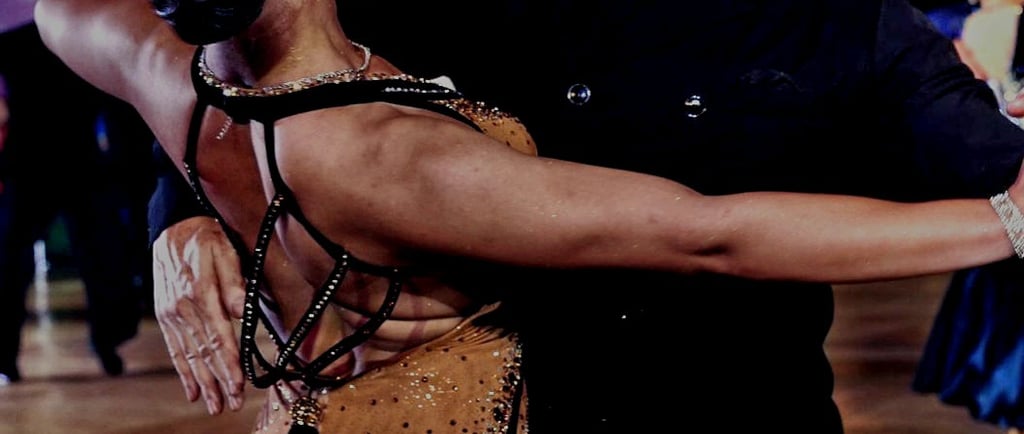
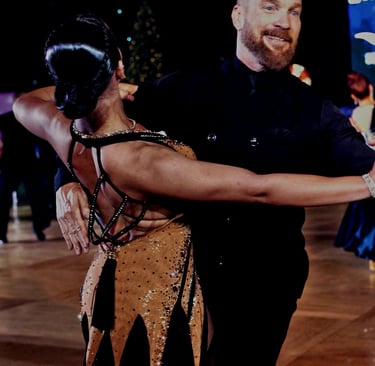
Understanding Ballroom Dance Competitions: A Newcomer’s Guide
If you’ve ever watched a ballroom dance competition — the flowing gowns, the intense focus, the thrilling music — you might find yourself wondering: What does it take to compete? Ballroom dancing isn’t just beautiful performance art — it’s a structured competitive world with levels, age divisions, styles, and championships that welcome dancers of all experience levels. Here’s what you should know if you’re thinking about taking the plunge.
What Ballroom Dance Competitions Are Like
Ballroom dance competitions — sometimes called dancesport events — bring dancers together to perform choreographed routines in front of judges. These events range from local or regional weekend competitions to national and prestigious international championships. Most events group dancers by age, experience level, and dance style, so you’ll compete with others who are at a similar stage in their dance journey.
Competitions can be as small as a single ballroom with a few dozen couples, or as large as multi-day festivals with hundreds of competitors across many divisions. They are held regularly across the United States, often on weekends throughout the year at regional, national, and multi-dance championship levels. Most dancers participate in several competitions a year as they gain experience.
Levels: From Newcomer to Championship
Most competitions organize dancers by levels that reflect experience and training, not just age.
Newcomer / Beginner
This is typically for dancers with very limited experience — sometimes defined as less than six months in dance classes.
It’s the perfect first step: you compete against other beginners at your level and begin to understand the competition environment — from walking on the floor to getting judged.
Bronze, Silver, Gold
These are progressively more advanced levels where dancers learn more figures, technique, and performance skills.
After Newcomer, most dancers move into Bronze, then Silver, then Gold as they gain training and confidence.
Pre-Championship and Championship
These levels are for dancers who have strong competitive experience and training.
Championship is the highest level at most competitions — where very experienced dancers compete and top titles are awarded.
Some events also offer Open categories — where dancers can choose to compete without strict syllabus restrictions — and Novice or Intermediate levels depending on the competition’s organizing body.
Age Divisions: Finding Your Place on the Floor
Age divisions help ensure dancers compete with peers of similar age. Different competitions follow slightly different rules, but many use systems like those from USA Dance and NDCA — two of the major governing bodies in U.S. dancesport.
Typical age categories include:
Pre-Teen (under about 10–11 years)
Junior (about 12–15 years)
Youth (about 16–18 years)
Under 21 (up to age 20 in some events)
Adult (19+ or 20+)
A,B,C and D (35+, 45+, 55+, 65+, 70+, etc.) — with multiple senior age levels depending on the competition.
Pro/am or a couples age division is usually determined by the age of the dancers in the partnership according to the specific competition’s rules. And in many cases, dancers may compete one category down from their true age, giving more flexibility in entry.
Scholarships & Multi-Dance Championships: More Than Just One Dance
Many competitions offer scholarship events and multi-dance championships:
Scholarship Events
These require dancers to enter a set number of single dances in a particular style (like Rhythm, Smooth, Standard, or Latin) to qualify.
Scholarship results are often based on cumulative performance and can include prize money or titles.
Multi-Dance Championships
Instead of competing in just one dance, dancers perform a series of several dances, and their combined scores determine their championship placement.
These are popular because they reward versatility and endurance — and often attract dancers from across the country. �
Some major events, like the USA Dance National Collegiate and Ballroom DanceSport Championships, combine different events, workshops, and social activities into a larger festival, giving dancers the chance to compete, learn, and socialize all in one weekend.
How Often & Where Are Competitions Held?
Ballroom competitions happen year-round across the United States:
Local & Regional Events typically run most weekends from fall through spring.
State or Regional Championships usually occur once annually in each region.
National Championships (such as USADC or DanceVision Nationals) are held once a year and draw dancers from all over the country.
Multi-Dance Festival Events may take place multiple times a year and often include social dancing and workshops alongside competition.
Newcomers are encouraged to start with local competitions — they’re more relaxed and offer a great learning experience — before stepping up to bigger regional or national events.
What to Expect at Your First Competition
If it’s your first competition, here’s what most dancers experience:
1. The Schedule
Competition days can be long — from early morning through evening — and are structured in sessions with many age groups and levels. Events may run all day, with awards following each session.
2. Being “On Deck”
You’ll be told when to be on deck (ready to enter the floor). It’s important to follow those cues — competitions run tightly on schedule.
3. Dressing Up
Competitions often have dress expectations: comfortable but competition-appropriate attire, and in higher levels, more formal costumes.
4. Judges & Feedback
Judges evaluate technique, timing, musicality, partnership connection, and presentation. Some competitions provide written feedback or judges’ comments — invaluable for improving. Your teacher or coach will help you interpret this feedback.
5. Nerves & Support
It’s normal to feel nervous! Most dancers say it’s exciting and educational — and every competitor, even champions, remembers their first event. Teachers and studio partners often travel with you, help warm up, and offer encouragement.
Should You Compete?
Competition isn’t for everyone — and it doesn’t have to be. But for many dancers, it’s a rewarding way to grow technically, mentally, and socially:
✔ Get feedback on your progress
✔ Build performance confidence
✔ Meet dancers from across the region
✔ Set personal goals and celebrate accomplishments
Whether you’re considering your first Newcomer event or dreaming of qualifying for Championship finals, ballroom competitions can be an inspiring part of your dance journey.
The American Ballroom Company
The American Ballroom Company | Ballroom and Latin coaching in Canton NC | Serving Haywood County including Waynesville, Clyde, Maggie Valley, Sylva, and Asheville area | Private Coaching sessions • Wedding Dance • Group classes • Follow and like us on all your social media to keep up with all the latest happenings!
375 Main st. Canton, Nc 28716
For lessons, bookings, or rental info
dancewithabc@gmail.com
(828)400-1954
© 2024. All rights reserved.