
More than Steps
How Ballroom Dancing helps you connect to others and yourself
Anthony Keath Coppage
1/12/20262 min read
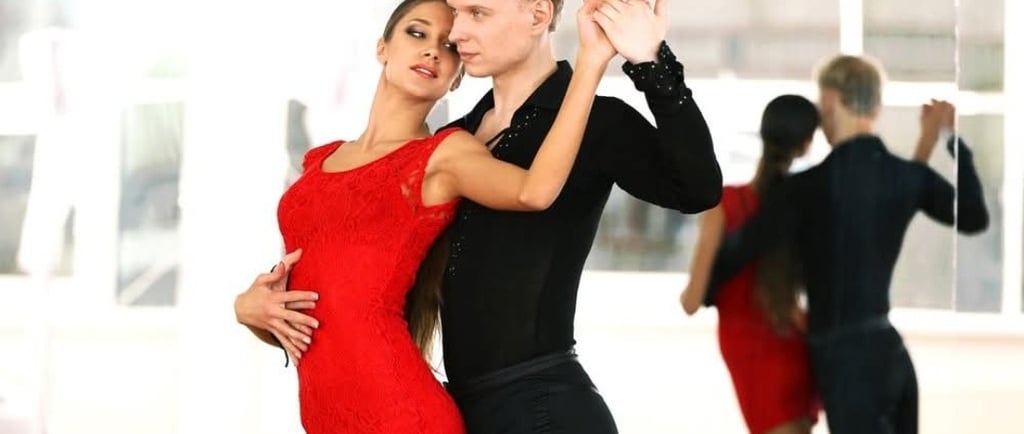
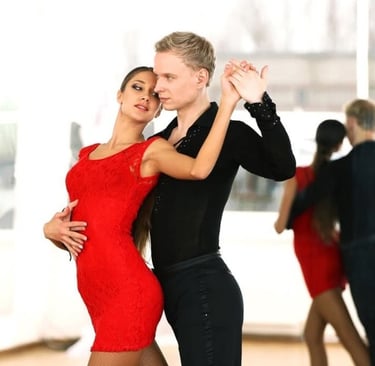
More Than Steps: How Ballroom Dancing Helps You Connect to Others — and Yourself
In today’s fast-paced, screen-driven world, genuine connection can feel harder to find than ever. Ballroom dancing offers something rare and powerful: a chance to reconnect — not only with other people, but also with your own mind, body, and emotions.
Whether you step onto the dance floor for fun, fitness, or personal growth, ballroom dancing creates a unique space where movement becomes communication and rhythm becomes connection.
Connecting With Others Through Movement
Unlike many activities, ballroom dance is built around partnership. You’re not just moving side by side — you’re communicating through subtle signals, shared timing, and mutual awareness.
1. Building Trust and Communication
Every dance requires listening without words. Partners learn to:
Respond to physical cues
Match energy and timing
Adapt to each other’s movement
Develop non-verbal communication skills
This creates trust, awareness, and cooperation — skills that naturally carry over into everyday relationships.
2. Creating Community and Belonging
Group classes, social dances, and studio communities bring people together from all walks of life. Over time, dancers often experience:
Reduced feelings of isolation
Increased social confidence
Strong friendships
A sense of belonging
For many students, the ballroom becomes more than a studio — it becomes a supportive community.
Reconnecting With Yourself Emotionally
Ballroom dance isn’t just physical movement — it’s emotional expression.
Each dance tells a story:
The Waltz feels romantic and flowing
Rumba expresses passion and vulnerability
Tango conveys strength and intensity
Swing radiates joy and playfulness
Through dance, people often discover emotions they didn’t realize they were holding inside.
Dance as Emotional Release
Movement paired with music helps release stress, anxiety, and emotional tension. Many dancers describe leaving the floor feeling:
Lighter
More balanced
Energized
Emotionally refreshed
It’s therapy in motion — without needing to say a word.
Strengthening Mental Focus and Awareness
Ballroom dancing challenges the brain in powerful ways:
1. Mind-Body Connection
Learning steps, patterns, and timing strengthens the connection between thought and movement. Dancers become more aware of:
Posture and alignment
Breathing
Balance and coordination
Spatial awareness
This heightened awareness improves daily movement and overall body control.
2. Mental Engagement and Presence
Dancing requires focus. When you're on the floor, your mind stays in the moment:
Remembering choreography
Listening to music
Adjusting to your partner
Staying in rhythm
This creates a form of active mindfulness — pulling attention away from stress and into the present.
Transforming Physical Confidence
As dancers grow physically stronger and more coordinated, something powerful happens: confidence rises.
Ballroom dancing improves:
Posture
Muscle tone
Balance
Flexibility
Endurance
But beyond physical changes, dancers often report feeling:
More comfortable in their body
More expressive
More confident socially
More at ease in movement
This confidence shows up not just on the dance floor — but in everyday life.
Why Ballroom Dancing Is Different
What makes ballroom dancing so special is the combination of:
✔ Movement
✔ Music
✔ Human connection
✔ Emotional expression
✔ Mental engagement
Few activities bring all of these elements together at once. Ballroom dance doesn’t just train your body — it nurtures your heart and mind.
Step into connection
Whether you’re looking to meet new people, deepen emotional expression, reduce stress, improve confidence, or simply feel more alive in your body, ballroom dancing offers a beautiful path forward.
Every step is a conversation. Every dance is a shared experience. And every class is an opportunity to reconnect — with others and yourself.
So take the first step.Your dance journey is waiting
The American Ballroom Company
The American Ballroom Company | Ballroom and Latin coaching in Canton NC | Serving Haywood County including Waynesville, Clyde, Maggie Valley, Sylva, and Asheville area | Private Coaching sessions • Wedding Dance • Group classes • Follow and like us on all your social media to keep up with all the latest happenings!
375 Main st. Canton, Nc 28716
For lessons, bookings, or rental info
dancewithabc@gmail.com
(828)400-1954
© 2024. All rights reserved.